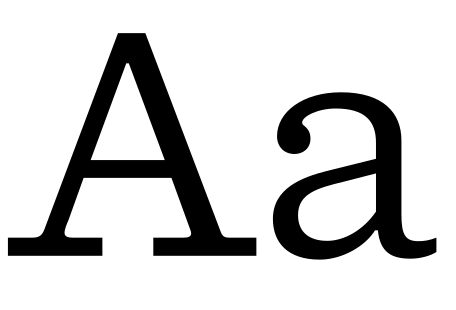
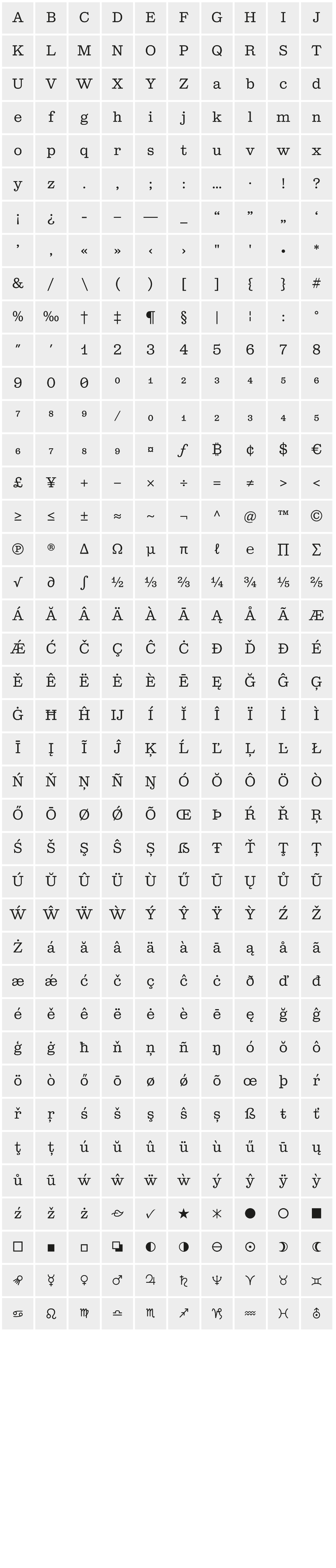
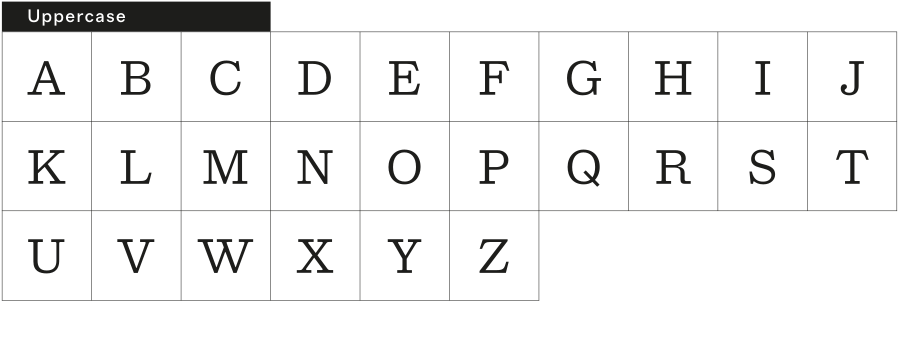
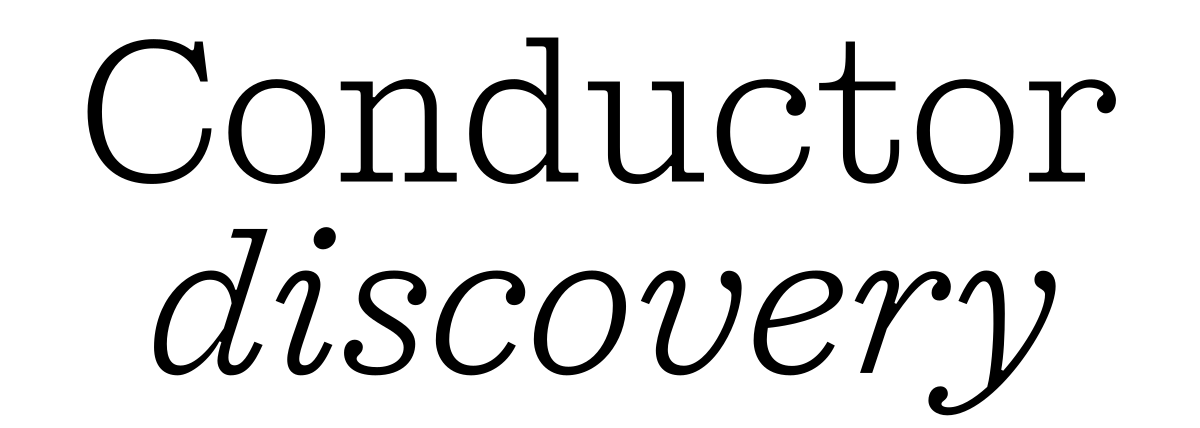
The Ionics, or Clarendons, made their first appearance in 1845 by Thorowgood and Co., with a typeface attributed to Robert Besley with punches engraved by Benjamin Fox. This popular style, known for having a bold and solid structure, low contrast, vertical stress, strong bracketed serifs and a large x-height was a consequence of the decreasing quality of printing mainly dominated by the Modern style types with high contrast. As most of the slab serifs, Claredons are basically made from a modern type structure with decreasing contrast. Sebenta represents is a fresh new approach of this style. Instead of using a modern typeface structure, Sebenta makes it use of some elements belonging to the old style typeface, such as angled terminals in the capitals: E, F, L, T and Z and S, but in C, G and S; and in lowercase c, s and z. Sebenta comes in six weights, ranging from Light to Heavy with matching italics and extended character set. A truly workhorse for any sort of graphic printed or screen job.
Open Type features

_Light, Light Italic
_Light, Light Italic
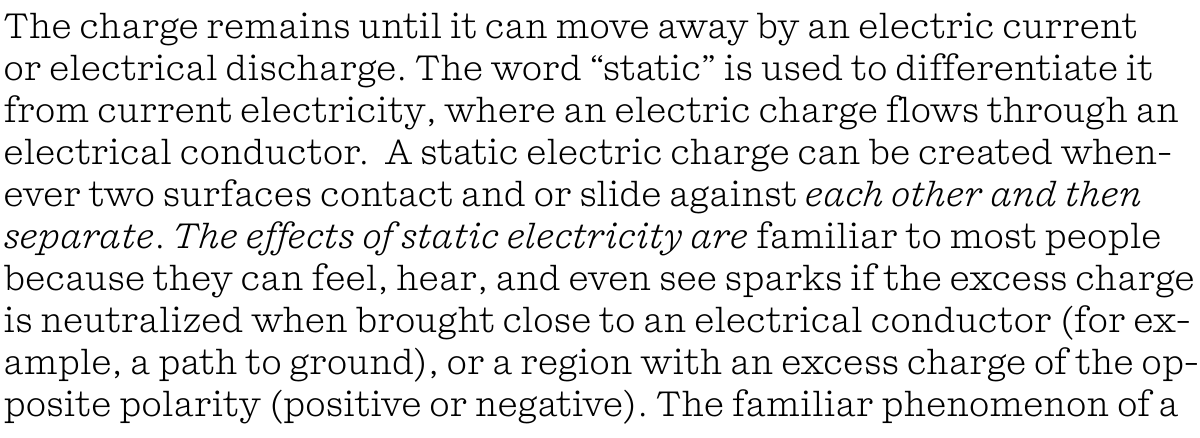
_Light, Light Italic
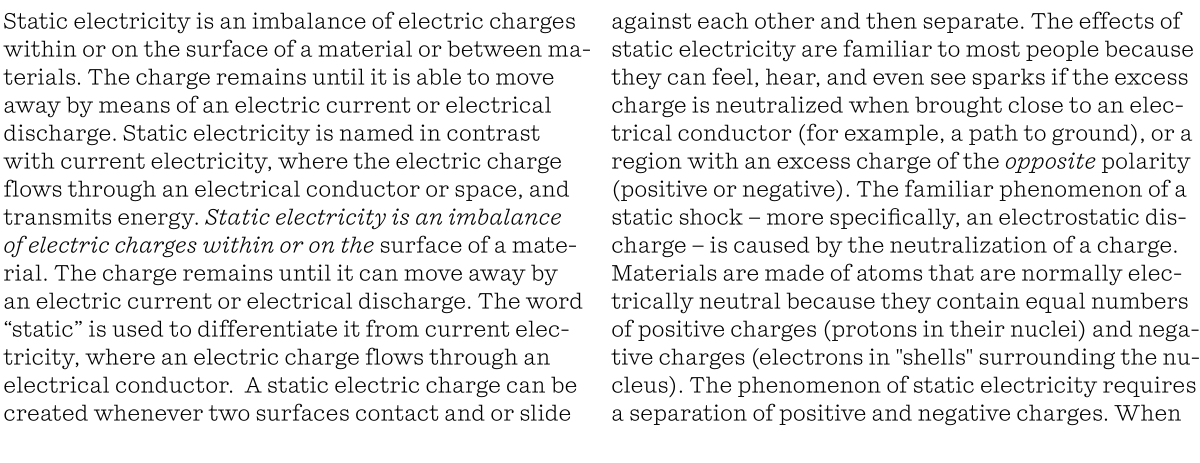
_Regular, Italic
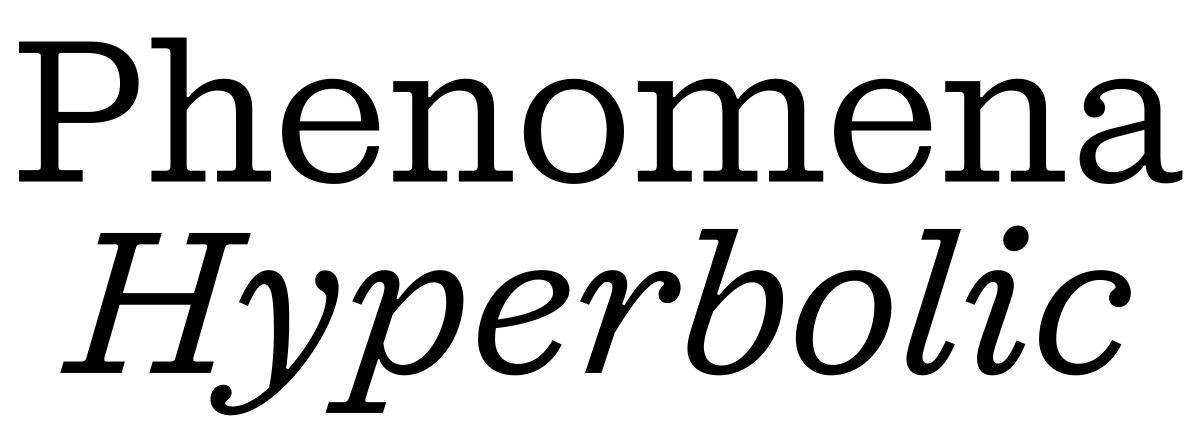
_Regular, Italic
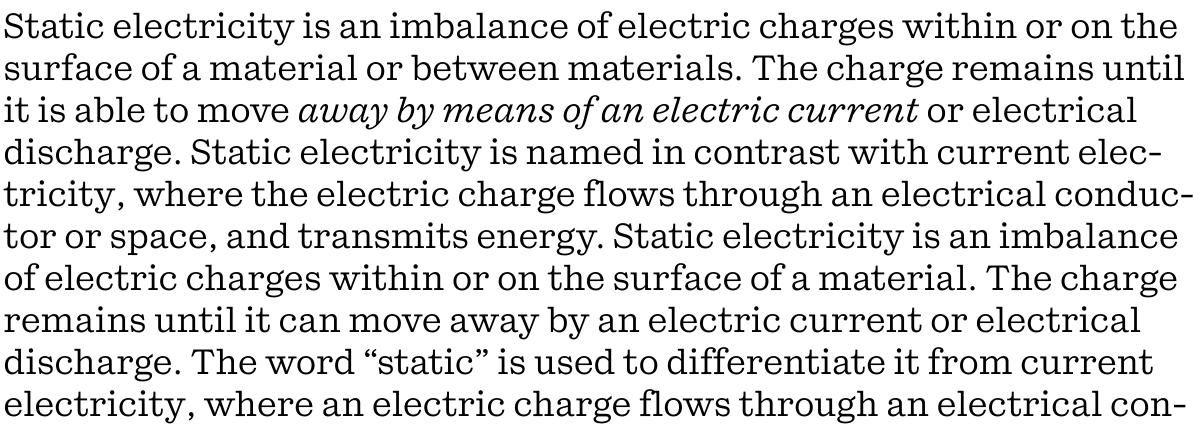
_Regular, Italic
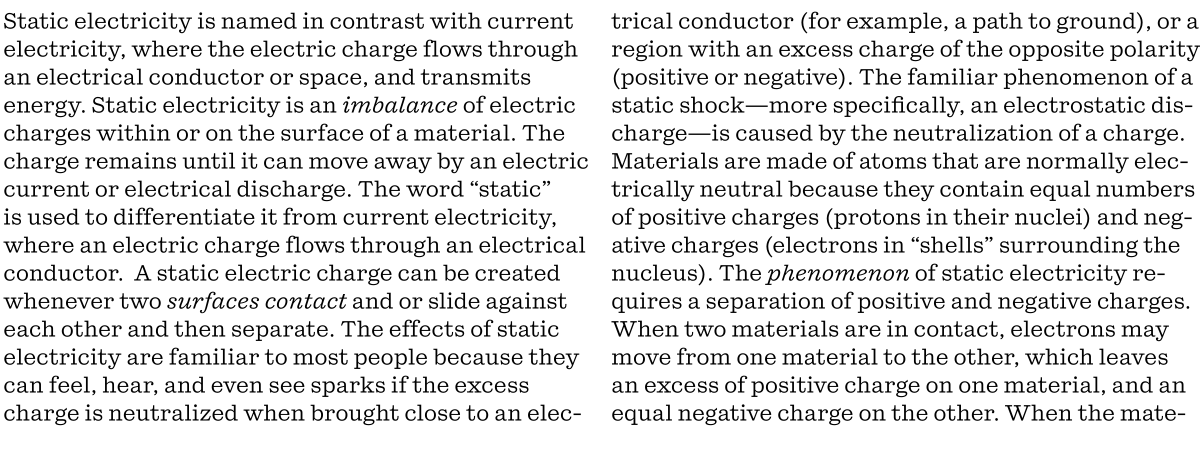
_Medium, Medium Italic
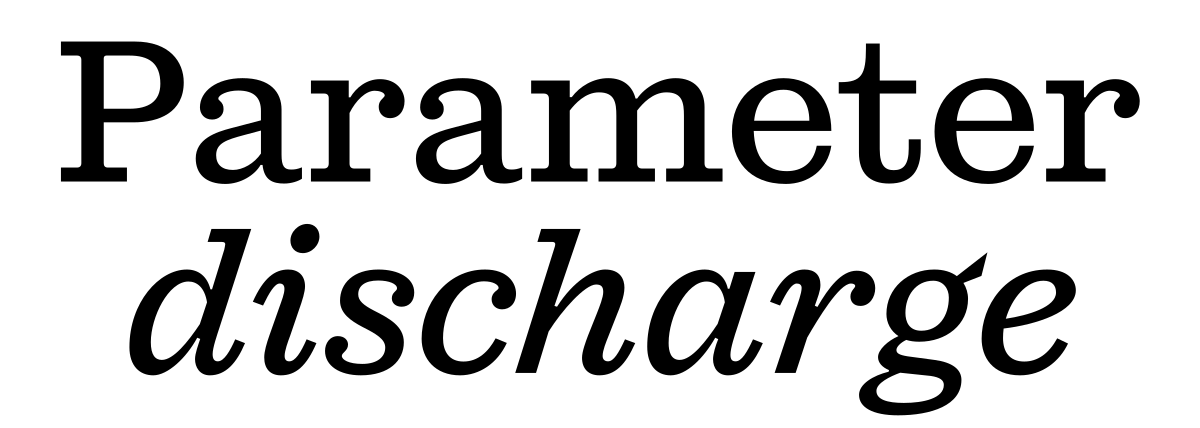
_Medium, Medium Italic
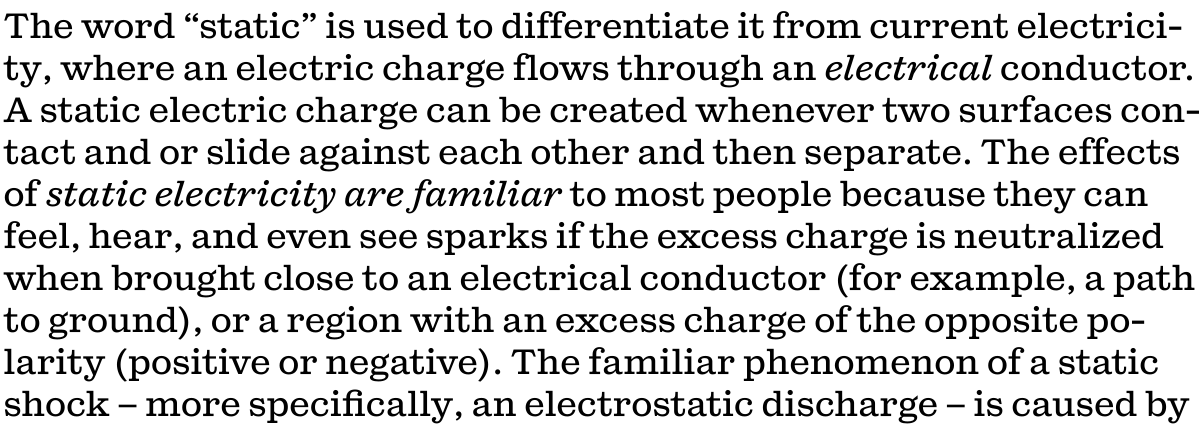
_Medium, Medium Italic
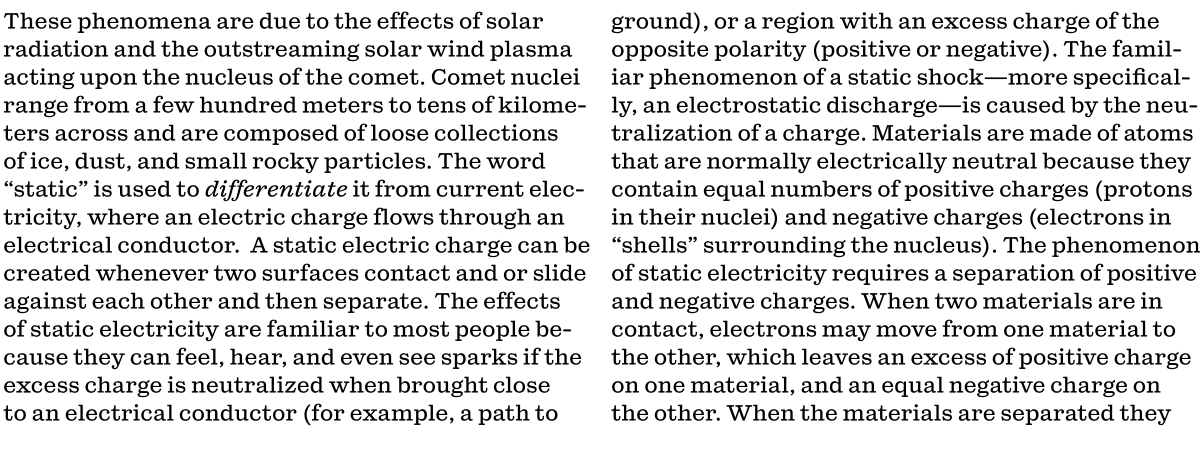
_Semi Bold, Semibold Italic
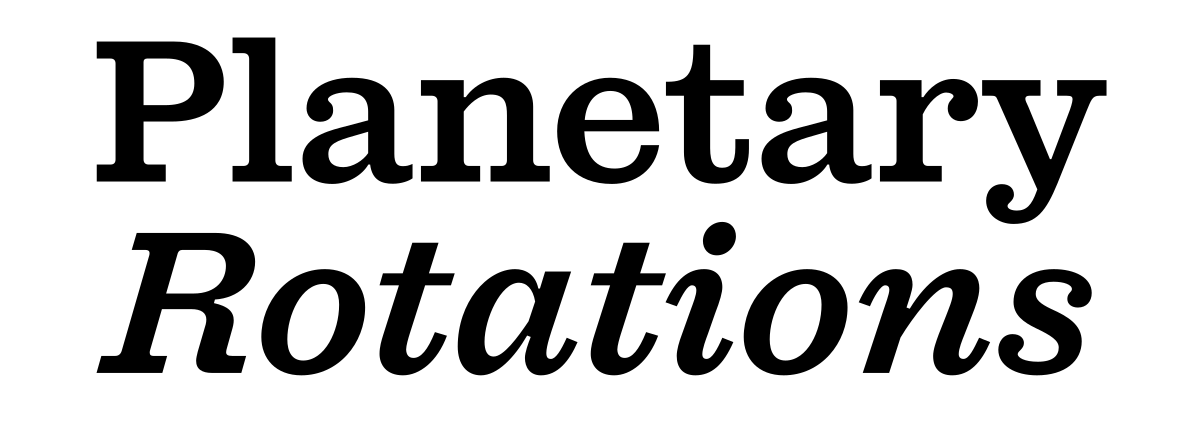
_Semi Bold, Semibold Italic

_Semi Bold, Semibold Italic
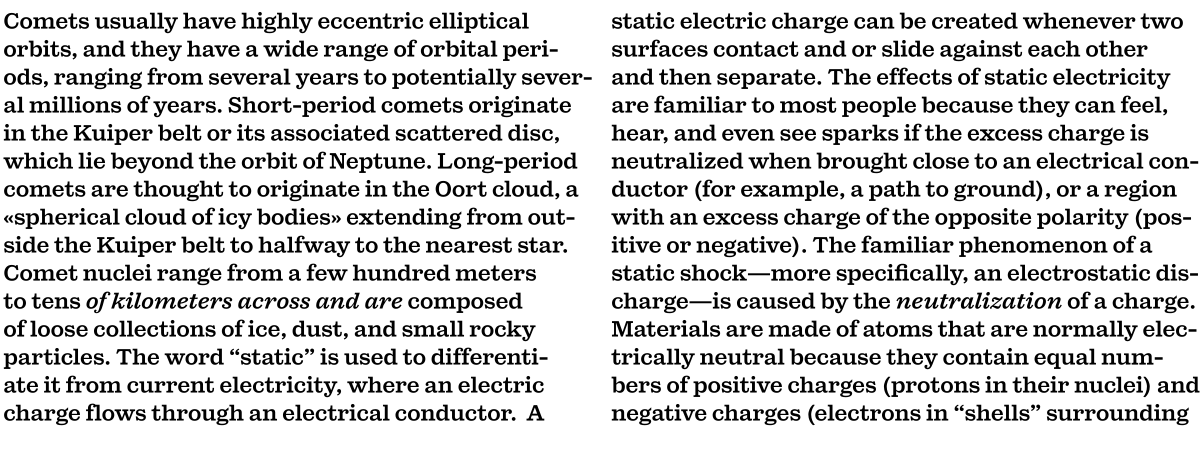
_Bold, Bold Italic
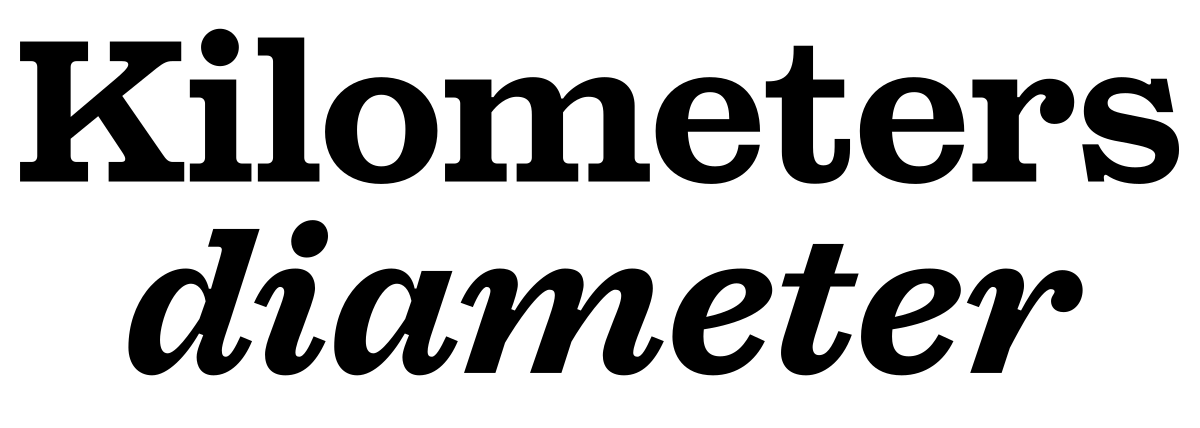
_Bold, Bold Italic
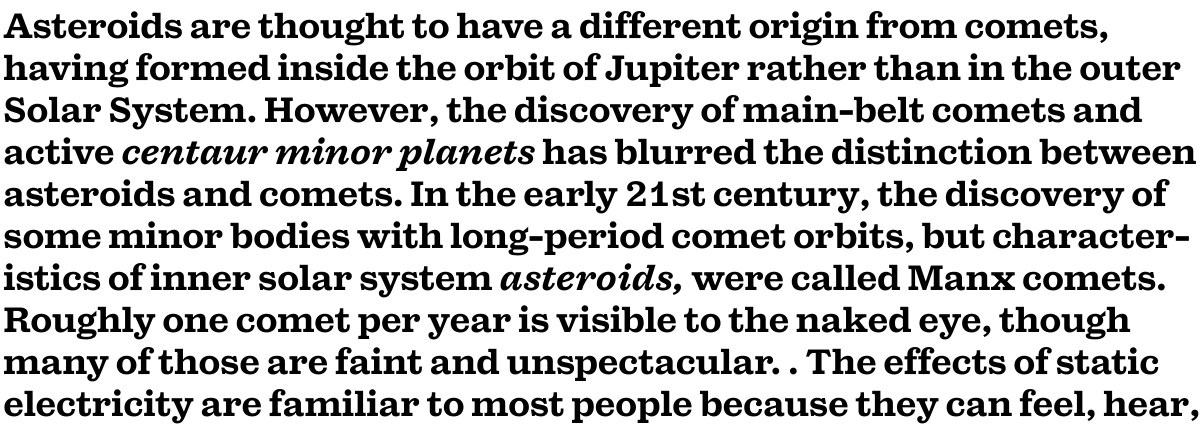
_Bold, Bold Italic
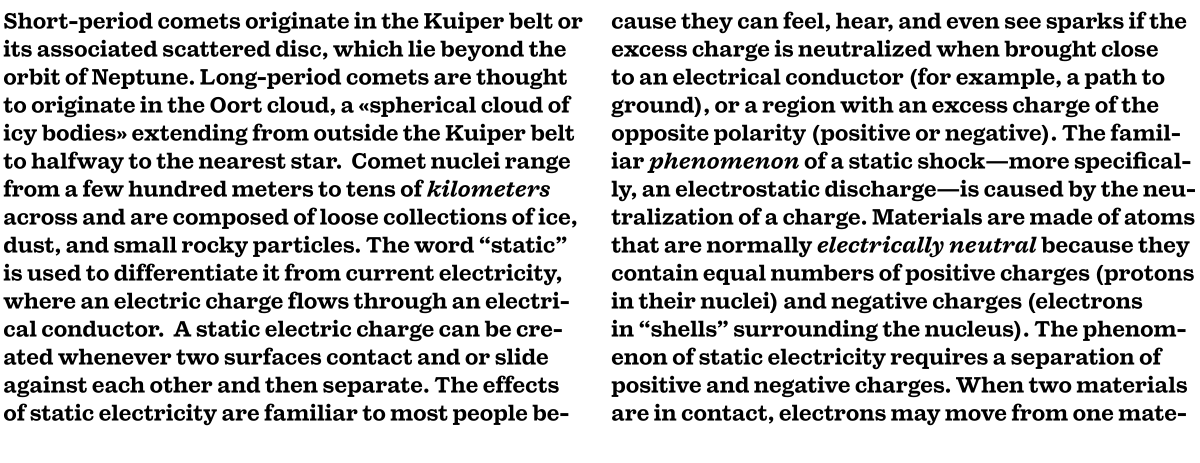
_Heavy, Heavy Italic
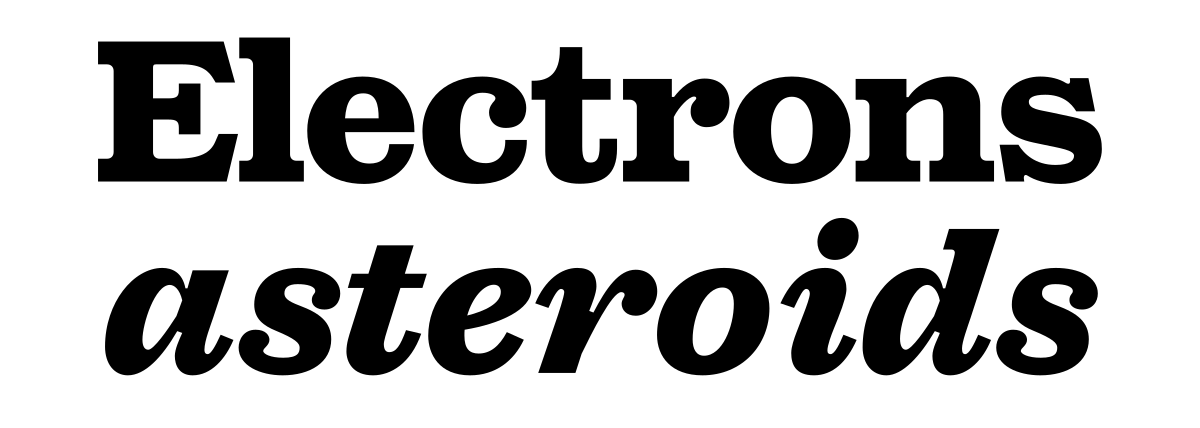
_Heavy, Heavy Italic
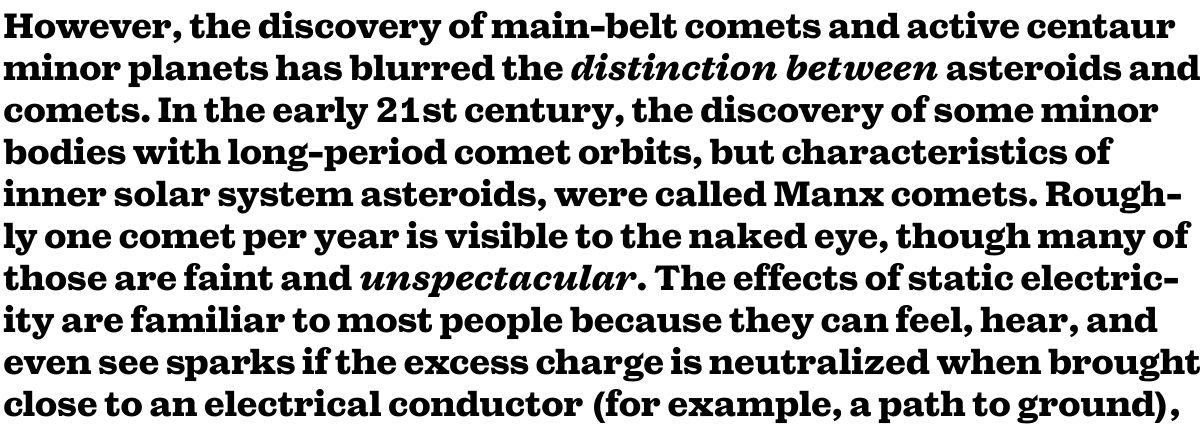
_Heavy, Heavy Italic